DigiDigz by Picturethis3D: An Original Vision. A Genuine Purpose.
AI can conjure a spectacular home in the clouds. But the home you live in—and the life you build there—is much more than an illusion.
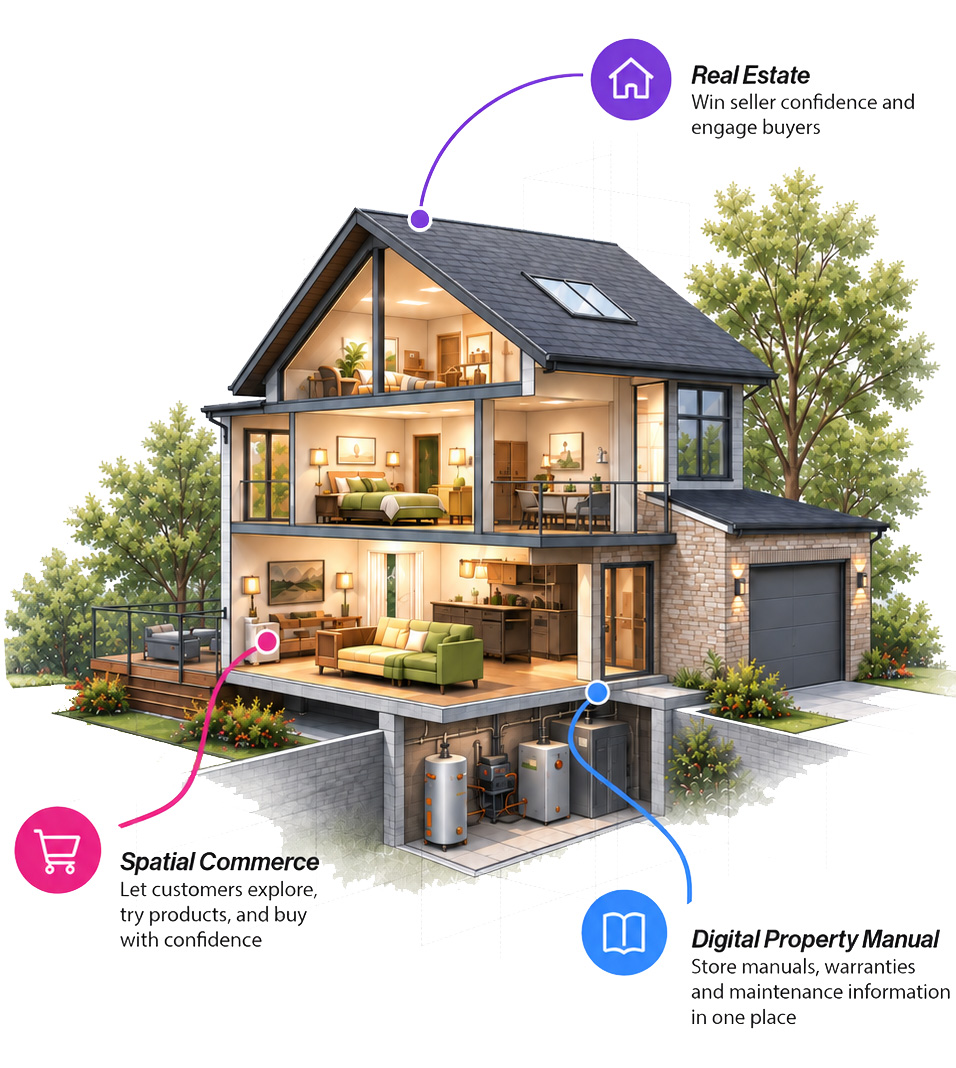
Your home is where everyday life happens. Where families grow, circumstances change, businesses begin and memories accumulate. Picturethis3D meets those challenges head on with tools grounded in reality, informed by experience and designed around people.
DigiDigz is just one of many solutions conceptualized more than a decade ago by forward-thinking retailers and property service professionals to combat economic challenges emerging today.
Built for the Life of a Property
Picturethis3D brings people, products and property decisions together in one accurate digital environment.
Request a Demo

Real Estate Professionals
Win listings, impress buyers and close faster with immersive marketing that converts.
Retailers & Manufacturers
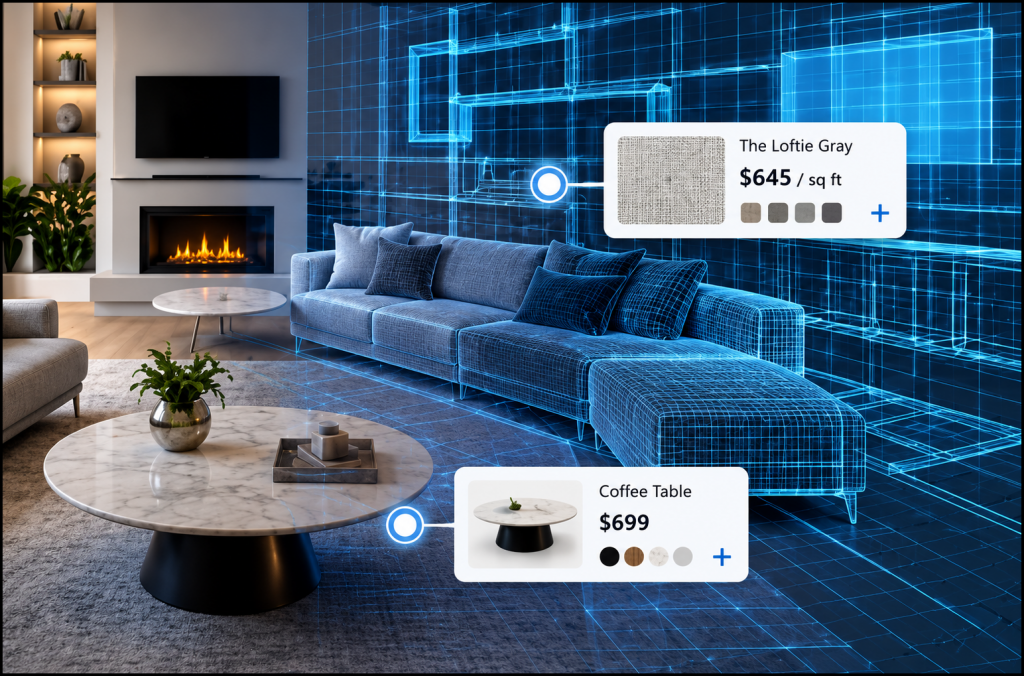
Place real products inside accurate replicas of real properties in new way to market.
Property Owners
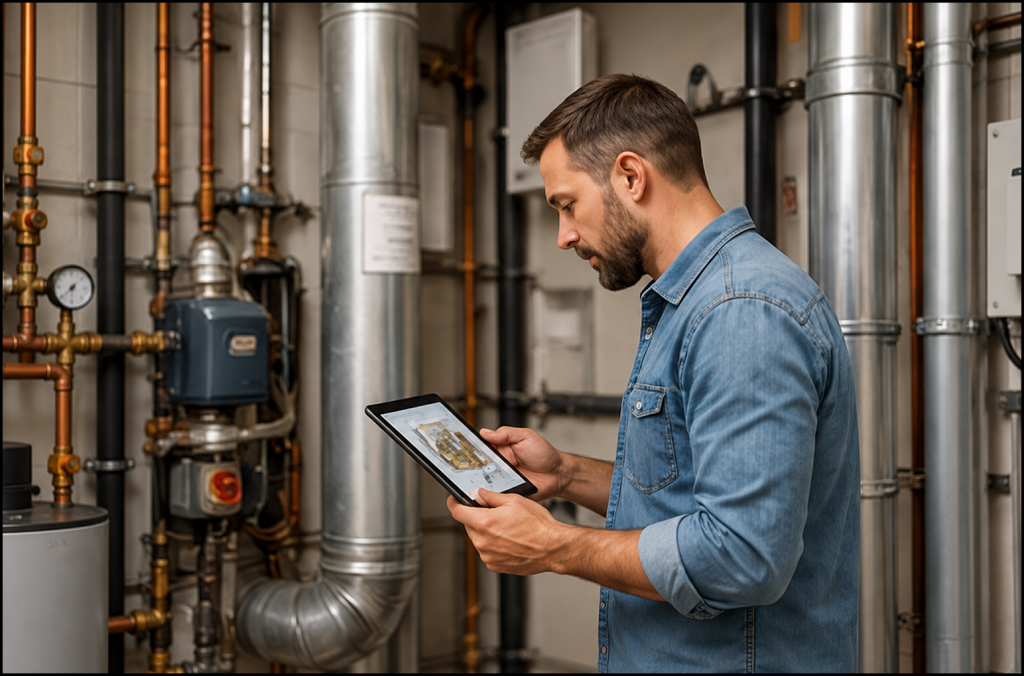
Own, manage and improve your living space with easy access to every detail.

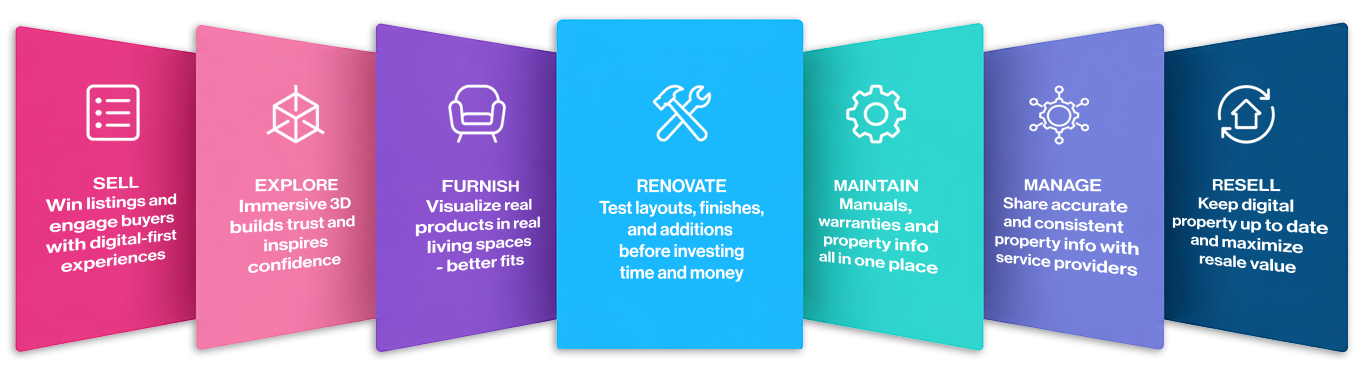
A Property Becomes a Digital Platform
Most digital property experiences are
created for a single transaction
… a listing, a renovation or a purchase.
Picturethis3D is different.
A digital replica of your property becomes part of your daily routine. Search products, plan improvements, store documents and receipts.
When the transaction ends, the property is just getting started.

Property Becomes a Personal Marketplace
Traditional online shopping starts with
products and asks customers to try to imagine them in their space.
Picturethis3D starts at home.
Explore real products from retailers,
manufacturers and local craftspersons
inside an accurate replica of the property where they will be enjoyed.
Shop Local … reach Beyond Borders. This is Canadian innovation.